

Table of Contents
The difference comes down to what arrives at your door. A stretched canvas is a finished piece of wall art: the print is hand-stretched around solid pine bars and ready to hang in minutes. A rolled canvas is the print alone, shipped in a protective tube, leaving the stretching or framing up to you.
Neither option is “better” across the board. Stretched canvas wins on convenience, and rolled canvas wins on flexibility and shipping cost. This guide walks through exactly what you get with each, when each one makes sense, and how to turn a rolled print into finished wall art later if you change your mind.
What Is Stretched Canvas?
A stretched canvas print is a photo printed on 100% cotton canvas, then pulled taut around a wooden frame called a stretcher and stapled in place. It arrives assembled, with hanging hardware attached, so you can go from opening the box to art on the wall in under five minutes.
At YourPhotoCanvas, every wrapped canvas print is hand-stretched over solid pine stretcher bars. Pine matters here: it resists warping over time, so your canvas stays drum-tight instead of sagging at the corners after a few humid summers.
Stretched canvas comes in a few finishing styles:
- Gallery wrap: the image continues around the sides of the frame, so no additional framing is needed. This is the clean, modern look you see in most homes and galleries.
- Floating frame: the stretched canvas sits inside a slim outer frame with a small shadow gap, adding a polished, furniture-grade edge.
- Framed canvas: a traditional frame profile around the stretched print, for classic interiors.

What Is Rolled Canvas?
A rolled canvas print is the same high-quality print, on the same cotton canvas with the same archival inks, but without the stretcher bars. It ships rolled inside a sturdy tube with extra white canvas around the image, called a border allowance, so a framer can stretch it properly later.
Because there is no wooden frame, a rolled canvas print is lighter, cheaper to produce, and far cheaper to ship, especially at large sizes or across borders. A 40x60 stretched canvas is a bulky package; the same print rolled fits in a tube you can carry under one arm.
The print quality is identical either way. Both formats use archival fade-resistant inks rated for 75+ years indoors, so a rolled print stored or framed properly will look just as vivid decades from now.

Rolled vs. Stretched Canvas: Side-by-Side Comparison
Here is how the two formats stack up on the factors that actually drive the decision: cost, shipping, effort, and control over the final look. Skim the table, then read the two sections below it for the situations where each format clearly wins.
| Factor | Rolled Canvas | Stretched Canvas |
|---|---|---|
| Price | Lower — no stretcher bars or assembly labor | Higher — includes pine bars and hand-stretching |
| Shipping | Compact tube; inexpensive, even internationally | Larger box; free in the US and Canada on orders over $99 |
| Effort after delivery | Requires stretching or framing before hanging | None — arrives ready to hang |
| Framing control | Total — choose any frame, depth, or mounting style | Choose at checkout: gallery wrap, floating frame, or framed |
| Risk of shipping damage | Very low — no corners to knock | Low, but corners need protective packaging |
| Best for | Custom framing plans, overseas gifts, artists, tight budgets | Instant decor, gifts, anyone who wants zero extra steps |
When Should You Choose Rolled Canvas?
Choose rolled canvas when you want maximum control or minimum cost: you already have a framer you trust, you are shipping internationally, you are an artist selling prints, or you are ordering large sizes on a budget. In each case, skipping the stretcher bars saves real money without sacrificing any print quality.
The most common scenarios where rolled is the smarter buy:
- You have custom framing plans. If you want a specific frame profile, a deeper 1.5-inch gallery depth, or a look matched to existing pieces, ordering rolled and taking it to a local framer gives you total control.
- You are sending a gift abroad. International shipping on a stretched canvas gets expensive fast. A tube is light, durable, and easy on customs; the recipient can have it stretched locally.
- You are an artist or photographer selling work. Rolled prints let you ship affordably to buyers anywhere and keep inventory in a fraction of the storage space.
- You are moving soon. A rolled print travels safely in a tube; a stretched canvas needs corner protection and careful packing.
- Budget is the priority at large sizes. The bigger the print, the bigger the gap in price between the two formats, since bars, labor, and box size all scale with dimensions.
When Should You Choose Stretched Canvas?
Choose stretched canvas when you want art on the wall this week with no extra steps, costs, or decisions. It is the right call for gifts, home decor, and anyone who does not want to coordinate with a frame shop. You open the box, find the included hardware, and hang it.
Stretched is the better fit when:
- It is a gift. Handing someone a finished, ready-to-hang canvas print beats handing them a tube and a framing errand.
- You want the total cost up front. Professional stretching at a frame shop typically runs $8 to $20 per linear foot, and custom framing adds more. Ordering stretched from the start is usually cheaper than ordering rolled and paying a framer.
- Timing matters. Frame shops often take one to two weeks. A stretched canvas is done the day it arrives.
- You like the gallery-wrap look. That frameless wrapped-edge style requires stretching anyway, so there is no advantage to buying rolled.
One more practical point: orders over $99 ship free within the US and Canada, which removes the shipping-cost advantage rolled canvas has in many domestic cases.
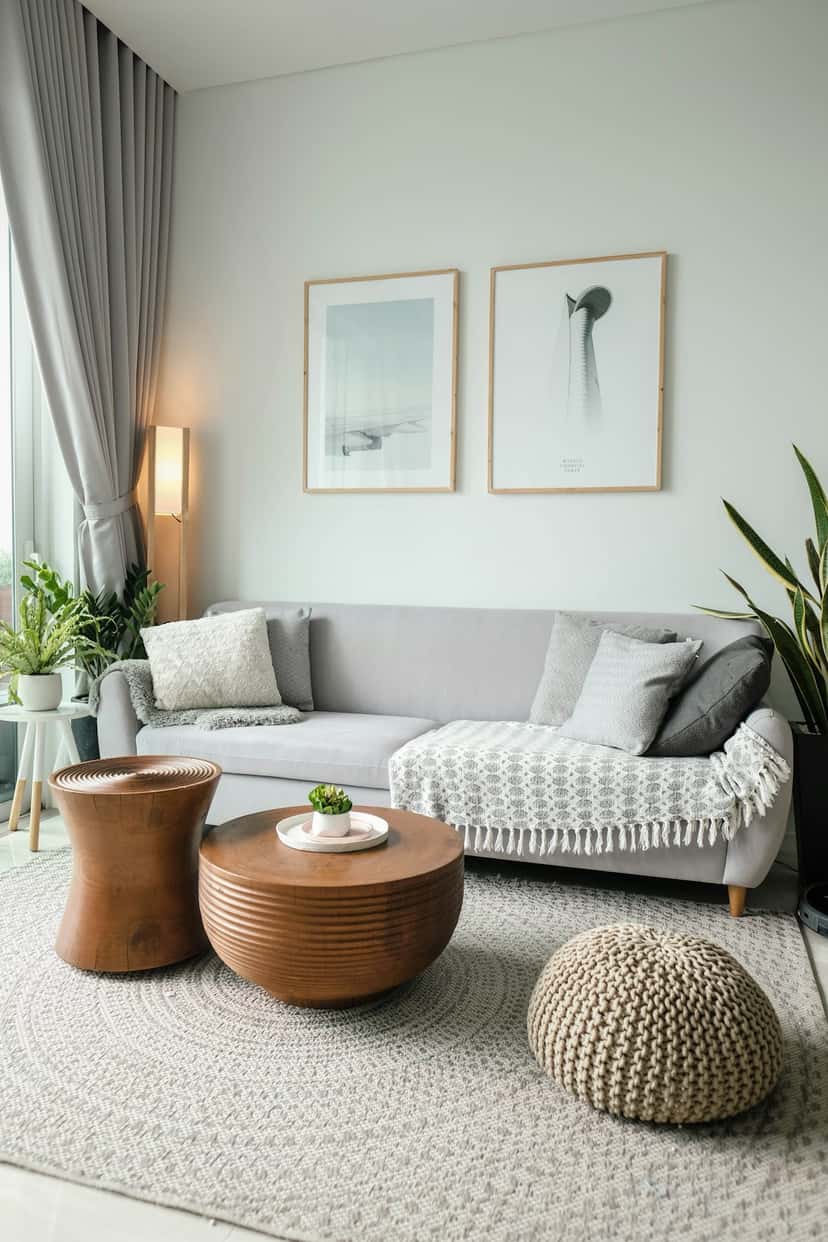
How Do You Stretch or Frame a Rolled Canvas Later?
You have three routes: take it to a local frame shop, buy stretcher bar kits and do it yourself, or mount it flat in a standard frame under glass. Most people choose the frame shop; it takes a professional under an hour and guarantees tight, even corners.
- Professional stretching. Any frame shop can stretch a rolled print onto bars. Bring the tube; they handle the rest. This is the safest option for large or sentimental prints.
- DIY stretcher bars. Kits are sold in standard sizes. You will need a staple gun, canvas pliers, and patience. Work from the center of each side outward and alternate sides to keep tension even.
- Flat mounting. A rolled canvas can also be mounted to a rigid board and framed like a poster, a good route if you prefer glass over the exposed-canvas look.
Whichever route you take, keep the print in its tube until you are ready, stored upright in a dry room away from direct sun.
Both formats start in the same place: our online design tool with live preview, 50+ standard sizes from 8x10 to 40x60, and fully custom dimensions if your wall or frame calls for something specific.
FAQ
Is rolled canvas cheaper than stretched canvas?
Yes. Rolled canvas skips the pine stretcher bars, hand-stretching labor, and oversized packaging, so it costs less to buy and less to ship. Factor in professional stretching later, though, and the total often evens out or exceeds the stretched price, so rolled saves the most when you plan to stretch or frame it yourself.
Is the print quality different between rolled and stretched canvas?
No. Both are printed on the same 100% cotton canvas with the same archival fade-resistant inks rated for 75+ years indoors. The only differences are the stretcher bars, the packaging, and the extra border allowance printed around a rolled image so a framer has material to grip.
How long can a rolled canvas stay in its tube?
Months without any problem, provided it is stored upright in a dry, room-temperature space away from direct sunlight. Avoid attics, garages, and basements where heat or humidity swing widely. If a print has been rolled for a long time, let it relax flat for a day before stretching.
Can I hang a rolled canvas without stretching it?
You can, using poster hangers or magnetic rails, but the canvas will ripple slightly since fabric needs tension to lie flat. It works as a casual, tapestry-style look. For a crisp, gallery-quality result, stretching or flat mounting is worth the step.
Which option is better for a gift?
Stretched, in almost every case: it arrives ready to hang, so the recipient gets finished art rather than a project. The exception is gifts headed overseas, where a rolled tube ships faster and far cheaper. Unsure for your situation? Our FAQ page covers shipping details, or you can reach out before ordering.